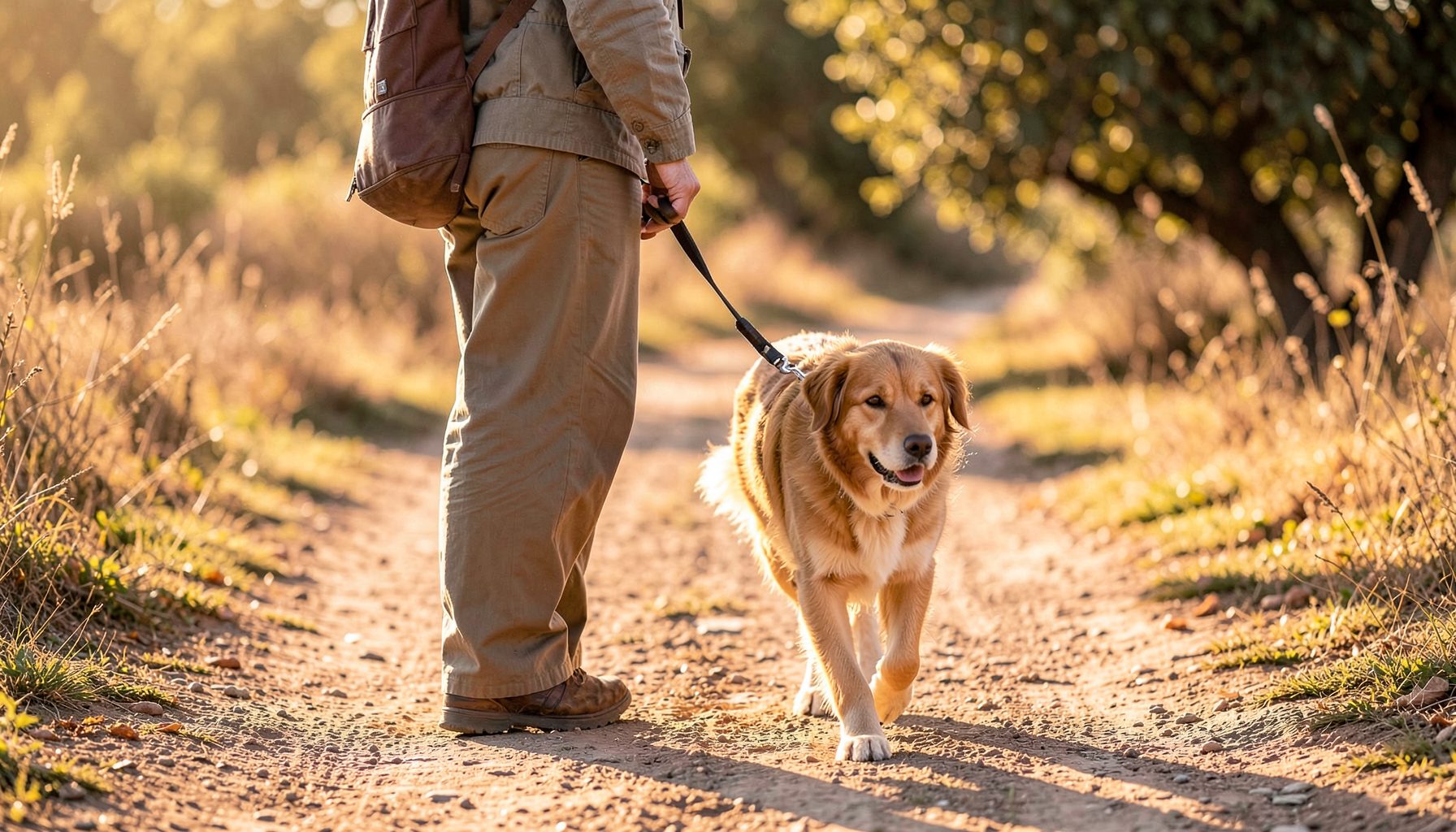
Best Affordable Dog Harness To Stop Pulling
I recently got a puppy and teaching him how to walk on a leash is a vital part of everyday life that a pup needs to get used to. At first, I wasn't sure whether I should use a collar or harness…
Training a puppy can be difficult when you have no idea about dogs and how they learn. Here are a bunch of ways to teach your little pup all things necessary in the doggy world — from basics like potty training to more fun training sessions like giving paw.
Establishing a consistent routine is one of the most effective ways to help your puppy learn proper behavior. Dogs thrive on predictability, so setting regular times for feeding, bathroom breaks, and play sessions gives your pup a clear framework for understanding what is expected. When a puppy knows when to expect meals and walks, house training becomes much smoother. Positive reinforcement, such as treats and praise immediately after good behavior, helps your dog connect actions with rewards. This approach builds trust and encourages your puppy to repeat desired behaviors. Patience is essential, as every puppy learns at its own pace, and short, frequent training sessions tend to work better than long, exhausting ones.
Teaching basic commands like sit, stay, and come lays a strong foundation for a well-mannered dog. These simple cues not only improve safety but also strengthen the bond between you and your puppy. Start in a quiet environment with minimal distractions, using a calm and encouraging tone. Reward your puppy each time they respond correctly, gradually increasing the difficulty by practicing in different settings. Consistency in the words and hand signals you use helps prevent confusion. Remember that puppies have short attention spans, so keeping sessions fun and brief will maintain their interest. Over time, these basic skills become second nature, making everyday walks and interactions more enjoyable for both of you.
Leash training is a vital skill that transforms walks from a struggle into a pleasant shared experience. Many puppies naturally pull or resist the leash at first, but with gentle guidance they can learn to walk calmly beside you. Start by letting your puppy wear the harness indoors to get comfortable, then practice short walks in a low-distraction area. Stop moving whenever your puppy pulls, and resume only when the leash slackens. This teaches your dog that pulling does not lead anywhere. Using treats to reward a loose leash reinforces the behavior you want. With time and consistency, your puppy will understand that staying close makes walks more rewarding and enjoyable.
Socialization is a critical component of raising a confident, well-adjusted dog. Exposing your puppy to a variety of people, environments, sounds, and other friendly, vaccinated dogs during their early months helps prevent fear-based behaviors later in life. Positive introductions to new experiences should be gradual and paired with treats and praise to create good associations. Puppy training classes can provide a safe, structured setting for socialization while also reinforcing basic obedience. A well-socialized dog is typically more relaxed in new situations, less likely to develop anxiety, and more comfortable around unfamiliar people and animals. Investing time in socialization early on pays off with a happier, more adaptable companion for years to come.
I recently got a puppy and teaching him how to walk on a leash is a vital part of everyday life that a pup needs to get used to. At first, I wasn't sure whether I should use a collar or harness…
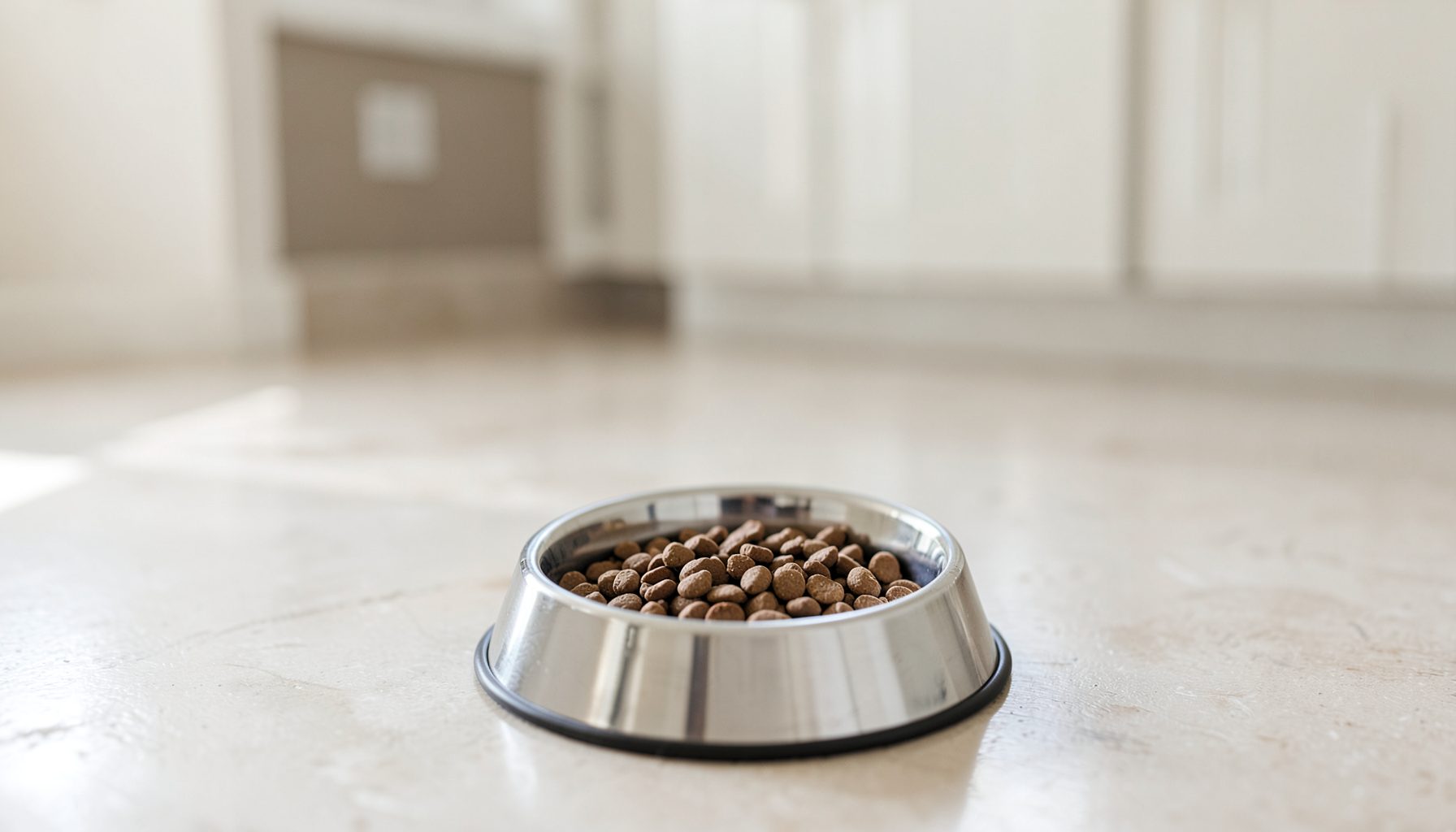
If your dog suddenly seems uninterested in their regular kibble, you might wonder whether they're simply bored with the same meal every day.
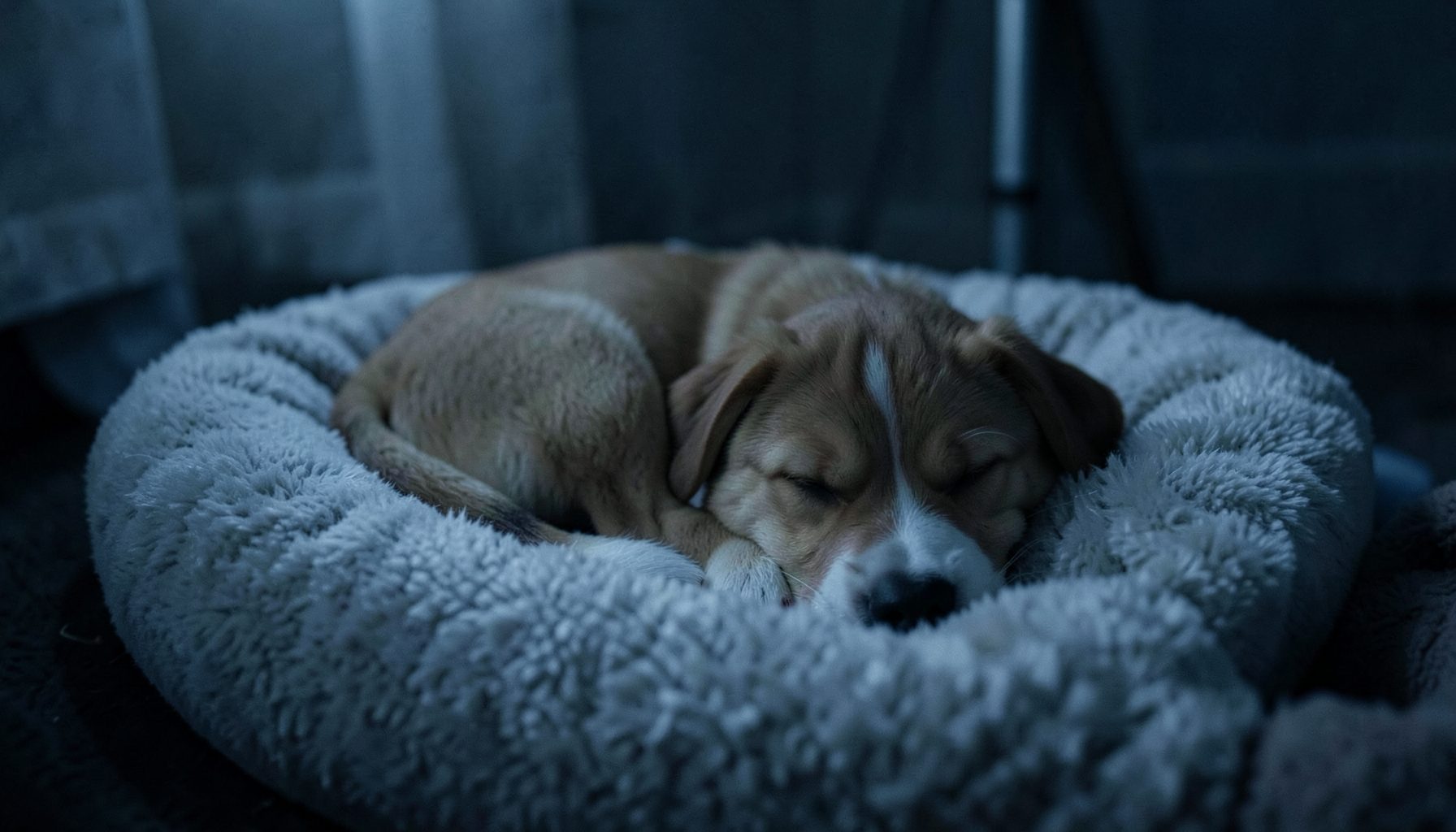
One of the biggest questions new owners have is when they'll finally get a full night's rest again. The answer depends on age, routine, and consistency.
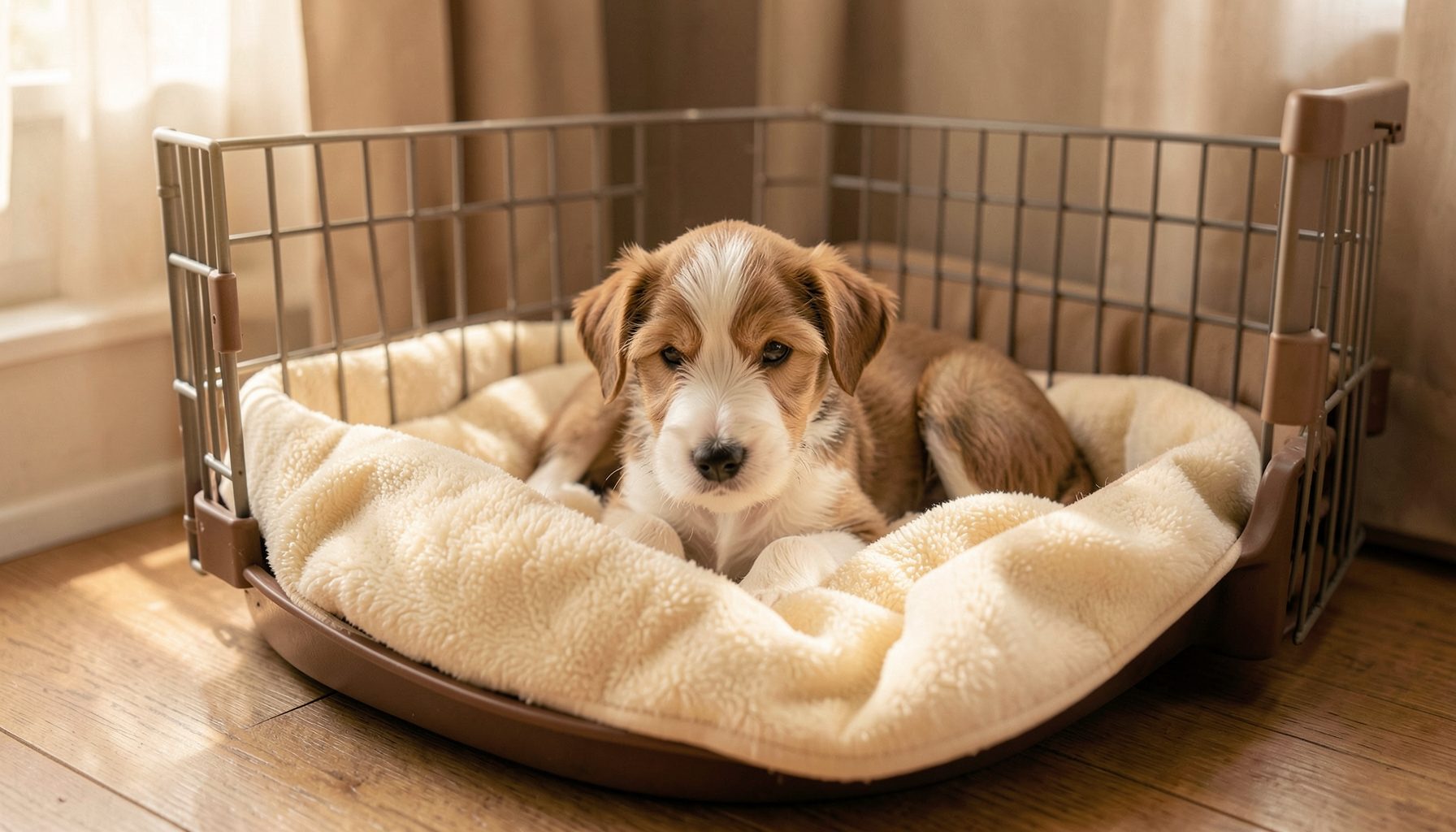
Crate training raises plenty of questions — and whether to include a pee pad overnight is one of the most common ones new puppy owners face.
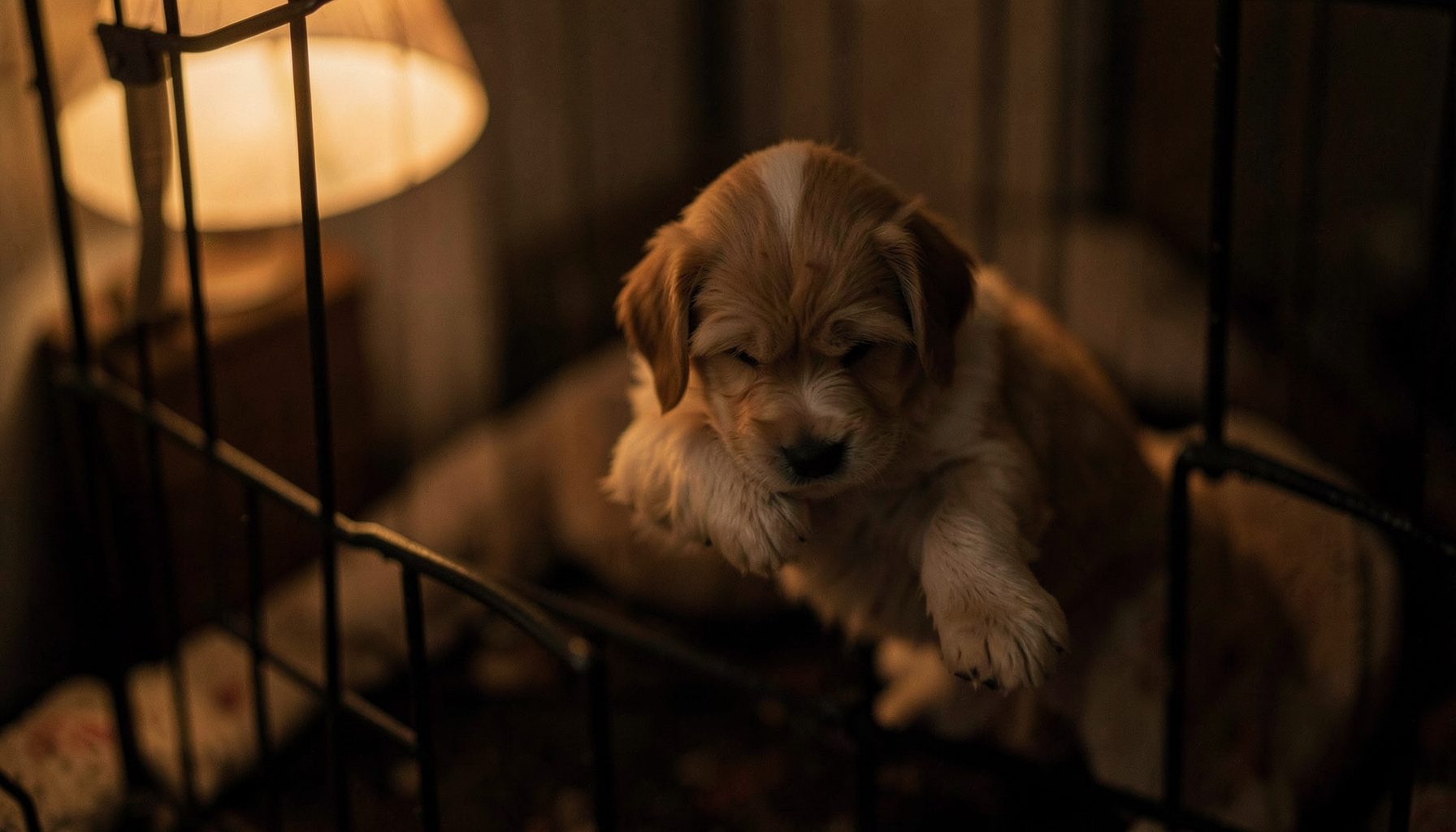
Nighttime potty breaks are part of puppy parenthood, but knowing whether to wake your pup or let them sleep can make a big difference in house-training success.
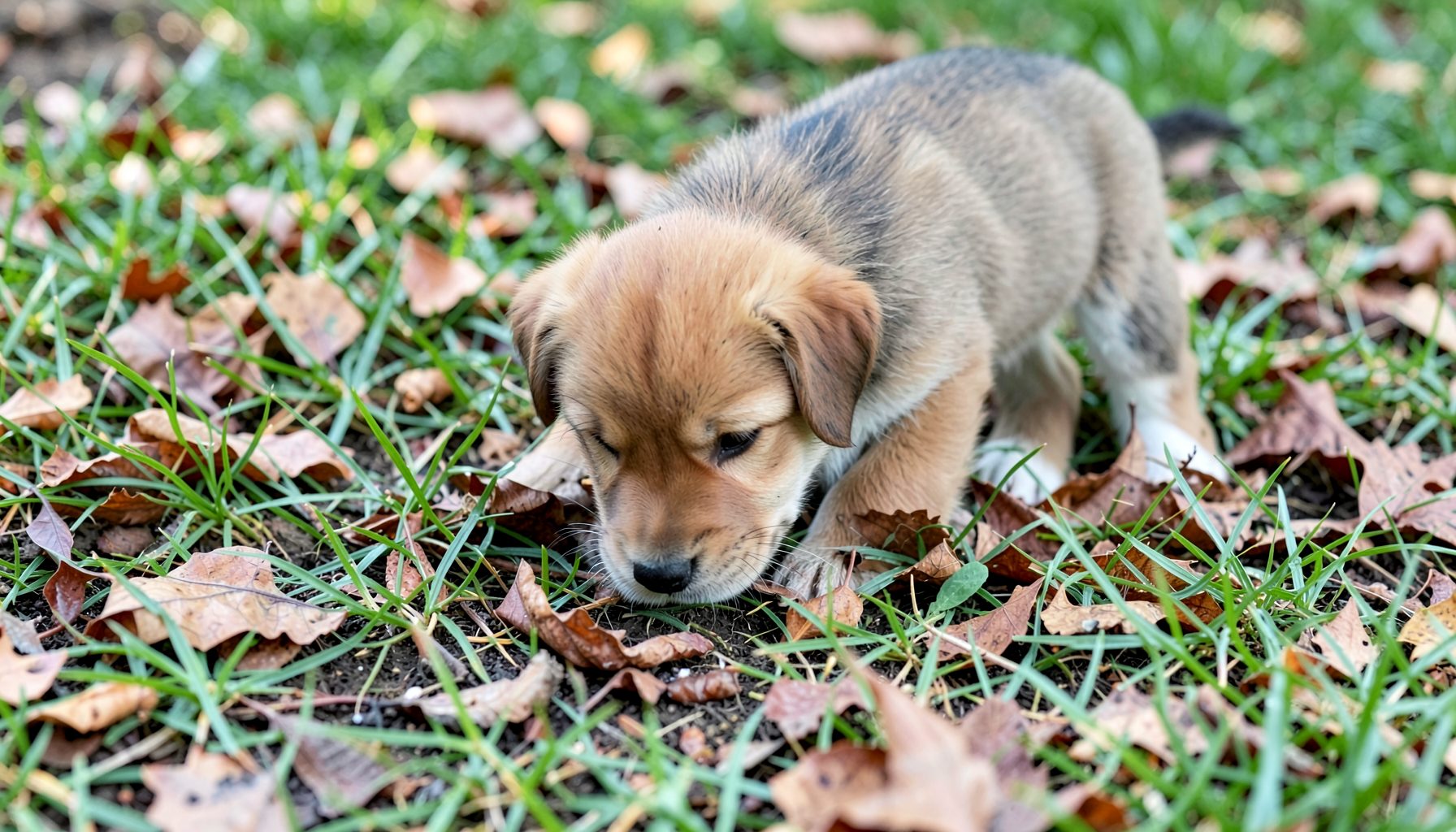
Puppies explore the world with their mouths, and that can mean grabbing everything from sticks to socks. Teaching a solid "leave it" is a game-changer.
Sign up for Lisa's free Puppy Crash Course — everything she wishes she'd known before bringing a puppy home, delivered straight to your inbox.
Join the Newsletter